


SCA ORTVIKEN
SCA aims for 40 per cent lower emissions from RoRo vessels
Ro-roFrom 1 October 2026, SCA is making changes to its sea transport operations using RoRo vessels by reducing speed, increasing load factors on the vessels, and making some adjustments to how the ports of Umeå and Piteå are utilised. One effect of these changes is that emissions from the vessels will be reduced by approximately 40 per cent.
Currently, the vessels operate three times per week — twice to Kiel and once to London and Rotterdam. In the new arrangement, there will be two departures per week: one per week to Kiel and one per week to London and Rotterdam.
The changes mean that the vessels will sail more slowly, at a speed of 11–12 knots compared with the current approximately 15 knots. Furthermore, the changes will result in significantly higher load factors for northbound cargoes. Southbound cargoes that do not fit will be transferred to other solutions. This frees up time in the schedule, making it possible for vessels that previously called only at Umeå to also visit Piteå and the Haraholmen port area. There, the vessels will load production from SCA’s Munksund mill and deliver return fibre and other goods in Piteå. The previous rail solution between Munksund and Umeå will therefore no longer be required in the future.
“For SCA, this is an efficiency measure where, through smart logistics planning, we can significantly reduce emissions per tonne-kilometre — estimated at around 40 per cent. It delivers an immediate benefit in the form of lower emissions, but in the longer term it also becomes an economic efficiency gain, as new EU regulations impose a high and continually increasing cost on emissions from sea transport,” says SCA’s Purchasing and Logistics Director, Magnus Svensson.
The changes mean that approximately 550,000–600,000 tonnes of goods per year to and from the Munksund mill will in future be loaded in Piteå. Together with SCA’s current sawmill volumes of around 300,000 cubic metres, SCA will become one of the port’s largest customers.
It also means that SCA is expected to net load approximately 300,000–400,000 fewer tonnes in Umeå.
“Our presence in Piteå will increase significantly, and this will naturally provide an opportunity for us to further develop logistics from the municipality together with the port and ShoreLink. As regards the situation in Umeå, SCA has growing volumes to and from the Obbola paper mill, so even though volumes from the Munksund mill will decrease in Umeå, the net effect will not be that significant,” says Magnus Svensson.
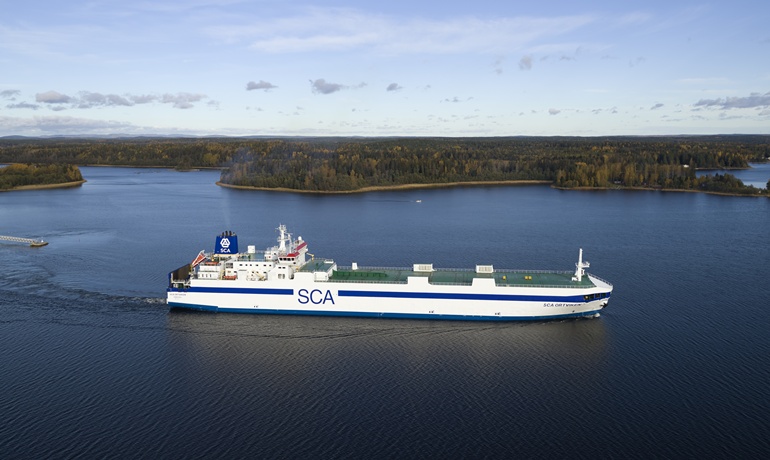
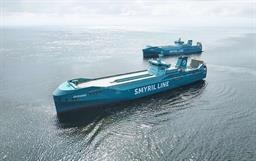
SCA’s RoRo fleet consists of the three sister ships SCA OBBOLA, SCA ÖSTRAND and SCA ORTVIKEN (photo). They were all delivered in 1996 from the Spanish AESA shipyard.
© Shippax
mar 02 2026

Related articles

Most read

Stena Line confirms purchase of SOMERSET for Birkenhead–Dublin
okt 15 2026

Stena Line buys the SOMERSET for the Birkenhead – Dublin route
okt 12 2026

Oldest ferry in GNV’s fleet sold for recycling
okt 15 2026

DFDS’ new Baltic charter vessel leaves the Mediterranean
okt 16 2026

Baleària to refurbish three ferries to improve comfort and onboard services
okt 19 2026

World’s Largest wind-propelled RoRo now fitted with rotor sails
okt 15 2026

Steam Packet Company provides update on progress and costs of repairs to MANXMAN
okt 11 2026

Stora Enso signs up for Finnlines’ Green Lane low-carbon service
okt 15 2026

Products